
Answers for Life
We believe in using the power of science to improve human lives. Our mission is simple: to give you the answers you need for optimal health.









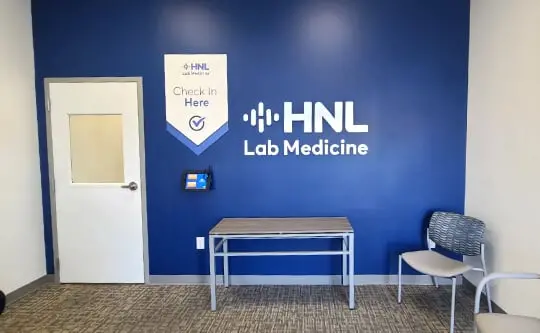
Who We Are
At HNL Lab Medicine, our patients are more than just test tubes.
We understand the impact each test we analyze has on our patients' lives, and we never take that responsibility lightly.
Operating for over 25 years, HNL Lab Medicine is a leading multi-regional, full-service medical laboratory providing testing and related services to physician offices, hospitals, long-term care facilities, employers, and industrial accounts.
We work relentlessly to provide exceptional care for our patients, best-in class results for our clients, and a culture that encourages our teams to inspire one another to never stop pushing the envelope of possibility.

Types of Drugs Detected in Drug Screening
Recent Blogs
STI Testing with HNL Lab Tests Direct
Unlocking Convenience with HNL @Home
HNL Lab Medicine Unveils Cellular Therapy Laboratory

Accreditations, Affiliation, & Compliance
We operate to the highest standards of excellence so we can serve you better. We are committed to ethical operations in all we do.